

If you have ever tried to get a straight answer on cloud telephony pricing in India, you already know how frustrating the experience can be. Vendor websites hide their rates behind “contact us” forms. Sales reps quote figures that balloon once you add GST, setup fees, and mandatory annual commitments. And by the time you receive a formal proposal, you have already spent three meetings explaining your business to someone who still cannot tell you what a basic IVR will cost per month.
This guide changes that. We have compiled every meaningful cost variable – per-minute rates, per-agent charges, IVR tier pricing, recording storage, integrations – and translated them into clear INR figures for 2026. Whether you are a bootstrapped startup looking for a INR 500/month starter plan or a multi-site enterprise evaluating a INR 50,000+/month contact center deployment, you will leave this page knowing exactly what to budget.
We will also show you how LeadNXT’s cloud telephony platform is priced, openly and without gimmicks, so you can make a genuinely informed decision. Let us get into the numbers.
Cloud Telephony Pricing Models Explained
Before you can compare plans intelligently, you need to understand the four fundamental pricing models that Indian cloud telephony vendors use. Most providers blend two or more of these models in a single plan, which is where confusion starts. Knowing each model independently gives you a framework to decode any quote you receive.
1. Per-Minute Billing
The oldest and most transparent model. You pay a fixed rate for every minute of call time consumed – inbound, outbound, or both. Rates in India typically range from INR 0.80 to INR 1.60 per minute for domestic calls in 2026, depending on termination type (landline vs. mobile), traffic volume, and call direction.
Per-minute billing suits businesses with unpredictable or seasonal call volumes – think election campaign call centers, festival-season e-commerce helplines, or event-driven outreach. You pay for exactly what you use and nothing more. The downside: costs are harder to forecast, and high-volume operations can find per-minute plans expensive compared to committed bundles.
2. Per-Agent (Per-Seat) Billing
Here, the pricing unit is the human agent or the concurrent channel, not the call minute. A vendor might charge INR 1400-2,500 per agent per month, with unlimited (or very high-cap) inbound minutes bundled in. This model dominates formal call center deployments where you have a stable headcount and predictable inbound traffic.
Per-agent pricing is straightforward to budget because your monthly bill scales linearly with your team size. Watch out for minimum seat commitments (often 5 or 10 agents) and check whether the “unlimited minutes” bundle excludes mobile terminations, which may be billed separately at INR 0.50-1.00/minute.
3. Subscription (Flat-Fee) Plans
Fixed monthly or annual tiers that bundle a set number of minutes, agents, IVR levels, virtual numbers, and features into a single price. Most SME-focused vendors structure their offerings this way. Plans typically start around INR 999-1,200/month for very basic setups and scale to INR 20,000-50,000/month for feature-rich enterprise tiers.
Subscription plans are easiest for finance teams because they produce predictable invoices. The risk is overpaying for unused capacity or, conversely, hitting your minute cap mid-month and paying steep overage rates (often 2-3x the base per-minute rate).
4. Pay-As-You-Go (PAYG)
No monthly commitment. You top up a prepaid wallet and consume from it at published per-minute rates. PAYG is common among startup-focused platforms and API-first providers. It eliminates lock-in risk and minimum commitment penalties, but per-minute rates are usually 20-40% higher than committed plans.
For businesses testing cloud telephony for the first time or running pilot campaigns, PAYG is the sensible entry point before committing to a subscription.
Typical Cloud Telephony Costs in India 2026
The Indian market in 2026 has matured enough that pricing has consolidated into three broad bands. Here is what you can realistically expect to pay at each tier, with GST (18%) noted separately as vendors are required to display it.
Starter Plans – INR 999 to INR 2,000 per Month (+ GST)
Designed for solopreneurs, micro-businesses, and teams of 1-5 users. A starter plan typically includes:
| Feature | Typical Inclusion |
|---|---|
| Virtual number(s) | 1 DID (Direct Inward Dialing) number |
| IVR levels | Single-level (welcome message + up to 4 options) |
| Agents / extensions | 2-5 |
| Bundled minutes (inbound) | 500-2,000 minutes/month |
| Call recording | Limited (7-30 day retention) |
| CRM integration | Not included or basic webhook only |
| Missed call alerts | Included |
| SMS notifications | Limited (50-100 SMS/month) |
| Support | Email / chat only |
Realistic monthly invoice at this tier: INR 1180-2,360 all-in (base + 18% GST). Overages beyond bundled minutes are typically charged at INR 0.90-1.20/minute.
Starter plans work well for: local clinics, individual real estate agents, small retail outlets, and freelance consultants who need a professional number and basic IVR.
Growth Plans – INR 2,000 to INR 10,000 per Month (+ GST)
The most populated segment in India. Growth plans target teams of 5-50 agents and typically include:
| Feature | Typical Inclusion |
|---|---|
| Virtual number(s) | 2-5 DIDs or 1 toll-free number |
| IVR levels | Multi-level (2-4 levels, 8-16 options) |
| Agents / extensions | 10-50 |
| Bundled minutes (inbound) | 5,000-25,000 minutes/month |
| Outbound calling | Bundled or at INR 0.40-0.60/minute |
| Call recording | 60-90 day retention, cloud storage |
| CRM integration | Salesforce, Zoho, Freshdesk pre-built connectors |
| Analytics dashboard | Basic real-time and historical reports |
| Support | Business hours phone + email |
Realistic monthly invoice at this tier: INR 2,360-11,800 all-in. Annual billing usually saves 15-25% compared to month-to-month.
Growth plans work well for: mid-size e-commerce companies, real estate agencies with 10+ agents, healthcare chains with multiple locations, and regional NBFCs running lead qualification campaigns.
Enterprise Plans – INR 10,000 and Above per Month (+ GST)
Custom-quoted, but the components and typical price ranges are well-established:
| Feature | Typical Inclusion |
|---|---|
| Virtual / toll-free numbers | 5-50+ numbers |
| IVR levels | Unlimited, with speech recognition (ASR) option |
| Agents / extensions | 50-500+ |
| Bundled minutes | 50,000-unlimited |
| Outbound dialer | Predictive, progressive, preview modes |
| Call recording | 1+ year retention, encrypted, compliant storage |
| CRM / ERP integration | Custom API, Salesforce, SAP, Oracle, custom builds |
| Analytics | Custom dashboards, call quality scoring, sentiment analysis |
| Dedicated account manager | Included |
| SLA | 99.9%+ uptime guarantee, defined resolution times |
| Regulatory compliance | TRAI-compliant DND scrubbing, GDPR data handling |
Enterprise plans routinely start at INR 10,000-15,000/month for 50-agent deployments and can exceed INR 1,00,000/month for large multi-location contact centers with advanced analytics and custom integrations.
What Factors Affect Cloud Telephony Pricing
Understanding the price bands above is only half the equation. Knowing which variables move you up or down within those bands lets you negotiate better and avoid paying for capacity you do not need.
Agent Count and Concurrent Channels
Most platforms price on peak concurrent calls, not total registered agents. A team of 30 agents that never has more than 10 simultaneous calls may qualify for a 10-channel plan. Always ask: “Does pricing scale on registered agents or concurrent calls?” The difference can save you 30-50% on agent-based plans.
Call Minutes and Traffic Mix
Inbound and outbound minutes are frequently priced differently. Mobile terminations (calls landing on Indian mobile numbers) cost more than landline terminations – typically INR 0.15-0.30 more per minute. If your outbound campaign targets mobile numbers exclusively (very common in India), your effective per-minute cost will be higher than the headline rate suggests.
IVR Complexity and Levels
A single-level IVR with a pre-recorded message is almost always free or included in base plans. Multi-level IVR (press 1 for sales, press 2 for support, press 1 for billing, press 2 for refunds) costs more. Intelligent IVR with natural language processing (NLP) or regional language voice bots (Hindi, Tamil, Telugu, Bengali, Marathi) can add INR 2,000-10,000/month depending on language count and call volume. LeadNXT’s IVR service supports multi-level flows and regional language prompts within competitive pricing tiers.
Integrations and API Access
Pre-built connectors for Zoho CRM, Freshdesk, or Salesforce are usually bundled in growth and enterprise plans. Custom REST API access, webhooks, and developer sandbox environments may cost extra – typically INR 500-3,000/month depending on call volume and API request limits. If your tech stack requires a custom integration (say, with an in-house Oracle ERP or a regional CRM), budget for development time in addition to the API access fee.
Call Recording Storage
Recording is one of the most underestimated cost components. Plans typically offer 30-90 days of cloud storage. Extended retention (180 days, 1 year, or indefinitely – often required by SEBI-regulated entities or healthcare providers) can add INR 500-5,000/month depending on your call volume and file retention policies.
Regional Language Support
India’s linguistic diversity is a competitive advantage for businesses that communicate in a customer’s native language, but it adds a real cost. Voice prompts in English are standard. Adding Hindi is usually free or low-cost (INR 200-500 one-time recording fee). Adding Tamil, Telugu, Kannada, Marathi, Bengali, or Gujarati professionally may cost INR 500-2,000 per language for studio recordings, plus any NLP/ASR licensing if you need speech recognition in those languages.
Detailed Pricing Breakdown by Component
Rather than treating your cloud telephony bill as a single number, break it into components. This table maps each component to realistic 2026 price ranges in the Indian market.
| Component | What It Covers | Typical Price Range (INR, excl. GST) |
|---|---|---|
| Virtual (DID) Number | One local geographic number | INR 200-500/month per number |
| Toll-Free Number (1800) | TRAI-compliant 1800 number | INR 1,500-3,000/month (inbound minutes billed separately) |
| Missed Call Number | Dedicated number for missed call campaigns | INR 599-999/month |
| IVR Setup (Single-Level) | Welcome message + up to 4 options | INR 0-500 one-time; sometimes free |
| IVR Setup (Multi-Level) | 2-4 levels, custom flow | INR 1500-3,000 one-time |
| IVR Hosting / Runtime | Monthly hosting for active IVR | INR 1200-1,500/month |
| Inbound Per-Minute Rate | Calls arriving at your number | INR 0.70-1.20/minute |
| Outbound Per-Minute Rate (Landline) | Calls to Indian landlines | INR 0.80-1.50/minute |
| Outbound Per-Minute Rate (Mobile) | Calls to Indian mobile numbers | INR 0.90-1.80/minute |
| International Outbound (USA/UK) | Per-minute to US or UK numbers | INR 3-8/minute |
| Call Recording Storage (30 days) | Basic recording retention | Often bundled |
| Call Recording Storage (1 year) | Extended retention | INR 500-3,000/month |
| CRM Integration (Pre-built) | LeadNXT, Salesforce, Freshdesk | INR 0-1,000/month |
| API Access | REST API + webhooks | INR 500-3,000/month |
| Real-Time Analytics Dashboard | Reports, live monitoring | INR 0-2,000/month |
| Dedicated Support / SLA | Priority phone support + SLA | INR 1,000-5,000/month |
| Outbound Dialer (Predictive) | Auto-dialer for outbound campaigns | INR 2,000-10,000/month |
Use this breakdown as a checklist during vendor evaluation. Ask each vendor to quote line-by-line. Any vendor unwilling to provide a component-level breakdown deserves extra scrutiny.
Hidden Costs to Watch Out For
Pricing pages are written to attract. Contracts are where the real terms live. These are the most common hidden or obscure costs that inflate Indian cloud telephony bills beyond initial quotes.
One-Time Setup and Onboarding Fees
Many vendors charge INR 2,000-15,000 as a one-time activation or onboarding fee, especially for toll-free numbers and multi-level IVR configurations. This is sometimes waived for annual commitments. Always ask explicitly: “Is there any setup, onboarding, or activation charge not reflected in the monthly plan price?”
International Call Rates
International inbound (customers calling from outside India) and international outbound rates are almost never bundled. If you serve NRI customers or operate across South Asia, international per-minute rates (INR 3-15/minute depending on destination) can add significantly to your bill. Demand a full international rate card before signing.
Analytics and Reporting Add-Ons
Basic dashboards showing call volume and duration are standard. Advanced reporting – agent performance scorecards, call sentiment analysis, custom BI exports, voice of customer analytics – is frequently an upsell at INR 2,000-8,000/month extra. If your operations team lives in data, budget for this explicitly.
API Access and Developer Sandbox Fees
Free API access sounds generous until you hit rate limits at 1,000 API calls/day and discover that higher limits cost INR 1,000-3,000/month extra. If your engineering team is building custom workflows (CRM sync, ticketing auto-creation, lead scoring), verify the API call limits and associated costs upfront.
Minimum Monthly Commitment
PAYG plans aside, most subscription plans have a minimum monthly commitment – sometimes as low as INR 500, sometimes as high as INR 5,000 – regardless of actual usage. If your call volume drops (say, your seasonal peak passes), you still pay the minimum. Read the “minimum billing” clause carefully.
DND Scrubbing and Compliance Fees
For outbound campaigns, TRAI’s Do Not Disturb (DND) registry compliance is mandatory. Some vendors charge INR 500-2,000/month for automated DND scrubbing services. Others include it. Non-compliance carries fines that far exceed any savings from skipping this check, so this is not a cost to cut.
Overage Rates
This is the most financially dangerous hidden cost. A plan bundling 10,000 inbound minutes/month that charges INR 1.50/minute in overages (versus the in-bundle effective rate of perhaps INR 0.50/minute) triples your cost if you exceed the bundle. Always model your peak-month usage against the bundle limit before committing to a tier.
LeadNXT Cloud Telephony Pricing
LeadNXT is built on a principle of pricing transparency. Rather than hiding numbers behind sales calls, we structure our plans so that a business owner can estimate their monthly cost before speaking to anyone on our team.
Below is a representative breakdown of LeadNXT’s 2026 pricing tiers. All prices are exclusive of 18% GST.
| Plan | Monthly Price | Best For | Key Inclusions |
|---|---|---|---|
| Starter | INR 1499/month | Micro-businesses, 1-5 users | 1 virtual number, single-level IVR, 1,200 inbound minutes, missed call alerts, email support |
| Growth | INR 3,499/month | SMEs, 5-25 agents | 3 virtual numbers, multi-level IVR (3 levels), 7,000 inbound minutes, 2,000 outbound minutes (mobile), CRM integration, call recording (90 days), dashboard analytics |
| Professional | INR 7,499/month | Mid-market, 25-75 agents | 5 numbers , advanced IVR, 15,000 inbound minutes, 15,000 outbound minutes, predictive dialer, 1-year call recording, Salesforce/LeadNXT/Freshdesk connectors, priority support |
| Enterprise | Custom | 75+ agents, multi-location | Unlimited numbers, custom IVR with NLP, unlimited minutes (committed rate), custom integrations, dedicated account manager, 99.9% SLA, compliance reporting |
LeadNXT Add-Ons (INR, per month, excl. GST):
| Add-On | Price |
|---|---|
| Additional virtual DID number | INR 199/number |
| Toll-free number (1800) | INR 1,499 |
| Regional language IVR prompt (per language) | INR 499 |
| Extended recording storage (beyond 90 days) | INR 799 |
| API access (unlimited calls) | INR 999 |
| Advanced analytics + BI export | INR 1,499 |
| Outbound predictive dialer | INR 1,999 |
For outbound campaigns, LeadNXT charges INR 0.45/minute to Indian mobile numbers and INR 0.22/minute to Indian landlines – among the most competitive rates in the market. There are no setup fees for Growth and above plans on annual commitments.
Annual billing provides a 20% discount across all plans. A startup on the Growth plan that commits annually pays an effective INR 2,799/month versus INR 3,499/month on month-to-month – a saving of INR 8,400 per year.
LeadNXT’s toll-free number service and virtual number services are available as standalone products or bundled within any plan. The cloud call center solution includes predictive dialer, queue management, and agent desktop – all under a single unified invoice.
Cloud Telephony vs Traditional PBX: Total Cost of Ownership Comparison (3-Year TCO)
One of the most powerful arguments for cloud telephony is not the monthly price – it is the total cost of ownership (TCO) over three years compared to a traditional on-premise PBX setup. Here is a realistic comparison for a 25-agent business communications setup in India.
Traditional PBX Setup (On-Premise)
| Cost Item | One-Time / Annual | 3-Year Total (INR) |
|---|---|---|
| PBX hardware (25-line system) | INR 1,50,000 one-time | 1,50,000 |
| IP phones (25 units × INR 5,000) | INR 1,25,000 one-time | 1,25,000 |
| Installation and cabling | INR 30,000 one-time | 30,000 |
| Annual maintenance contract (15% of hardware) | INR 42,000/year | 1,26,000 |
| PSTN lines (10 lines × INR 1,200/month) | INR 1,44,000/year | 4,32,000 |
| IT staff time for maintenance (4 hrs/month × INR 1,500/hr) | INR 72,000/year | 2,16,000 |
| Upgrade / replacement (year 3 estimate) | INR 75,000 | 75,000 |
| Total 3-Year TCO | INR 13,54,000 |
Cloud Telephony Setup (LeadNXT Professional Plan)
| Cost Item | Monthly / Annual | 3-Year Total (INR) |
|---|---|---|
| LeadNXT Professional Plan (annual billing) | INR 7,499/month × 20% discount = INR 5,999/month effective | 2,15,964 |
| 5 additional virtual numbers | INR 199 × 5 = INR 995/month | 35,820 |
| Overage minutes (estimated 5,000 mins/month at INR 0.45) | INR 2,250/month | 81,000 |
| CRM integration (included in plan) | INR 0 | 0 |
| No hardware, no cabling, no IT maintenance | INR 0 | 0 |
| Total 3-Year TCO | INR 3,32,784 |
Cloud telephony saves this business approximately INR 10,21,000 over three years – a 75% reduction in total cost.
Beyond direct savings, cloud telephony delivers capabilities that a 2026 PBX simply cannot match: real-time dashboards, CRM sync, remote agent support, instant number provisioning, and mobile app access. The PBX is not just more expensive; it is functionally inferior.
For more context on how cloud platforms compare to legacy systems, see our pillar post on cloud telephony solutions in India and our deep dive on cloud telephony for customer support in 2026.
How to Get the Best Cloud Telephony Deal
Pricing is negotiable in the Indian cloud telephony market far more than vendors want you to believe. Here is a practical negotiation framework that consistently produces 15-30% better outcomes than accepting the first quote.
Run a Genuine Multi-Vendor Comparison
Get formal written quotes from at least three vendors. Not “I spoke to their sales rep and they said around X.” Written quotes with line-item breakdowns. This alone creates competitive pressure that pushes vendors to sharpen their numbers. LeadNXT, for instance, will match competitive pricing for equivalent configurations when a competing written quote is presented.
Ask for Annual Billing with Monthly Flexibility
Annual commitments typically unlock 15-25% discounts. However, ask for a 90-day exit clause with pro-rated refund in case the service underperforms. Reputable vendors will agree to this because they are confident in their SLAs.
Negotiate on Overage Rates, Not Base Price
Vendors have more flexibility on overage rates (which they charge at peak margins) than on their advertised base plan prices. Negotiate a lower per-minute overage rate – say, capping it at INR 0.60/minute instead of INR 1.20/minute – before you commit. This single negotiation point can save you more than any headline discount.
Use a Pilot Period Strategically
Ask for a 14-30 day paid pilot at your projected usage levels before committing to a long-term plan. This reveals real overage behaviour, support quality, and call quality under actual load. Any vendor who refuses a pilot for a meaningful deal is a yellow flag.
Ask the Right Questions
Before signing any contract, get written answers to:
- What is the exact per-minute overage rate if I exceed my bundled minutes?
- Are DND scrubbing and TRAI compliance included or extra?
- What is the notice period to cancel or downgrade?
- Is there a minimum monthly charge regardless of usage?
- What is the process for porting an existing number to your platform?
- What uptime SLA do you guarantee, and what are the remedies if you miss it?
- Does the API rate limit apply to my plan, and what are upgrade costs?
Industry-Specific Cloud Telephony Pricing Examples
Abstract pricing bands make more sense when grounded in real-world use cases. Here are four representative Indian businesses and what a realistic monthly cloud telephony budget looks like for each.
Healthcare Clinic (5-Location Chain, 15 Staff)
A multi-location clinic needs patients to reach the right location, book appointments, receive prescription reminders, and escalate emergencies. Configuration: 5 virtual DID numbers (one per location), single-level IVR per location routing to 2-3 staff, call recording (90 days for compliance), missed call alerts.
Estimated monthly cost: INR 3,800-5,500 (excl. GST) on a Growth plan with add-ons. Key variable: recording storage duration – healthcare providers often need 1-year retention, which adds INR 800-1,500/month.
Real Estate Agency (20 Agents, Active Lead Campaigns)
Real estate offices run high outbound volume alongside heavy inbound inquiry traffic. Configuration: 1 toll-free number + 3 DIDs, multi-level IVR (residential vs. commercial routing), predictive dialer for outbound campaigns, CRM integration with lead tracking, 6-month recording retention.
Estimated monthly cost: INR 8,000-12,000 (excl. GST). The predictive dialer and high outbound mobile termination minutes are the main cost drivers. Integration with LeadNXT’s CRM lead management platform eliminates the need for a separate CRM subscription and can reduce overall tech spend. Also see our post on cloud telephony and CRM integration for integration best practices.
E-Commerce Company (50-Agent Support Center, Seasonal Peaks)
An e-commerce helpline handles returns, delivery queries, and payment issues – with volume spiking 3-5x during sale seasons. Configuration: 3 toll-free numbers, 4-level IVR with category routing, 50 concurrent channels, 1-year call recording (consumer protection compliance), real-time dashboards, Freshdesk integration.
Estimated monthly cost: INR 18,000-30,000/month (excl. GST) on average, spiking to INR 40,000-60,000 during peak months due to minute overages. Annual plan with a PAYG overage top-up wallet is the optimal structure here – it controls base cost while keeping peak capacity flexible.
SME Manufacturing Company (10 Staff, Basic Needs)
A 10-person manufacturing firm needs a professional front-end number, basic IVR routing to sales and accounts, and missed call capture. No complex integrations needed. Configuration: 1 virtual DID, single-level IVR, 5 extensions, missed call alerts, basic call recording.
Estimated monthly cost: INR 1,200-2,000 (excl. GST) on a Starter plan. This business does not need Growth plan features yet and should resist upsells until call volume justifies the upgrade.
For businesses evaluating virtual phone numbers as a standalone purchase, our post on virtual phone number services in India covers options and pricing in detail.
Frequently Asked Questions About Cloud Telephony Pricing in India
Q1: What is the minimum monthly cost for cloud telephony in India?
You can get started with a basic cloud telephony setup in India for as little as INR 500-999 per month (excl. GST). At this price point, you will typically receive one virtual DID number, a single-level IVR with 2-4 menu options, and around 1,000-2,000 bundled inbound minutes. This is sufficient for a solopreneur or very small team that needs a professional front-end number without a full call center setup. Adding GST at 18%, the all-in monthly cost begins at roughly INR 590-1,180.
Q2: How much does an IVR system cost in India in 2026?
A basic single-level IVR (welcome message plus up to 4 routing options) is often included at no extra charge in plans priced above INR 1,000/month. Standalone IVR hosting costs INR 200-1,500/month depending on the provider and call volume. Multi-level IVR (2-4 levels with complex routing logic) typically adds INR 500-3,000 as a one-time setup fee plus INR 500-1,500/month in hosting. NLP-powered or regional language IVR can cost INR 2,000-10,000/month additionally. LeadNXT includes multi-level IVR in its Growth plan at no extra charge.
Q3: Is cloud telephony cheaper than a traditional PBX system in India?
Yes, significantly so in most SME contexts. A traditional PBX for 25 agents has a 3-year TCO of approximately INR 13-15 lakhs including hardware, PSTN lines, maintenance, and IT staff time. An equivalent cloud telephony deployment costs INR 3-4 lakhs over the same period – roughly 75% less. Beyond cost, cloud telephony offers features (remote agents, CRM integration, real-time analytics) that a PBX cannot match.
Q4: Are there GST charges on cloud telephony services in India?
Yes. Cloud telephony services are classified as telecom services and attract 18% GST in India. All prices quoted by vendors should be verified as exclusive or inclusive of GST. At the INR 3,499/month level, the GST component adds INR 629, making the effective invoice INR 4,128. For businesses with GST registration, the input tax credit can be claimed on cloud telephony subscriptions used for business purposes.
Q5: What is the cost of a toll-free 1800 number in India?
A TRAI-compliant 1800 toll-free number in India typically costs INR 1,000-3,000 per month for number rental, plus per-minute charges for inbound calls that land on the number. The inbound per-minute rate on toll-free numbers is usually borne by the business (not the caller) and ranges from INR 0.30-0.80/minute. Some vendors include a toll-free number in higher-tier plans. LeadNXT’s toll-free number service starts at INR 1,499/month for the number, with inbound minutes billed at INR 0.40/minute.
Q6: How much does cloud telephony cost for a 50-agent call center in India?
A 50-agent cloud call center in India typically costs between INR 20,000-50,000 per month (excl. GST) depending on features. A bare-bones configuration (IVR, basic routing, call recording) might be achievable at the lower end. Adding predictive dialing, advanced analytics, CRM integration, and 1-year recording retention pushes costs toward the higher end. Enterprise plans often include volume discounts that make per-agent effective costs lower at scale. Request a custom quote from LeadNXT for configurations above 25 agents.
Q7: Can I pay for cloud telephony on a monthly basis, or do I need an annual contract?
Both options are available in the Indian market. Month-to-month plans carry higher base prices – typically 20-25% more than annual commitments. PAYG (pay-as-you-go) plans from some providers charge even higher per-unit rates but require no subscription commitment at all. For established businesses with predictable call volumes, annual billing is almost always the better financial choice. For new businesses or pilots, starting on a monthly plan for 2-3 months before committing annually makes sense.
Q8: What hidden charges should I look for in cloud telephony contracts in India?
The most common hidden charges in Indian cloud telephony contracts include: one-time setup or onboarding fees (INR 2,000-15,000), high overage per-minute rates when you exceed bundled minutes (often 2-3x the in-bundle rate), international call rates not included in domestic bundles, API access fees above basic rate limits, extended call recording storage beyond the default 30-90 days, DND scrubbing compliance fees for outbound campaigns, and minimum monthly commitment charges regardless of actual usage. Always request a full written disclosure of all fees before signing.
Start With the Right Price – Request Your Free Pricing Consultation
Cloud telephony pricing in India in 2026 spans a wide range – from INR 500/month for a solo professional to INR 1,00,000+/month for an enterprise contact center. The “right” price is not the lowest price; it is the price that buys you the specific combination of minutes, features, integrations, and support your business actually needs, with no hidden surprises when the invoice arrives.
This guide has given you the framework: understand the pricing models, map each vendor’s quote to the component breakdown table, ask the right questions, and use TCO analysis rather than headline monthly price to make your final decision.
LeadNXT’s cloud telephony platform is built to serve Indian businesses with transparent, India-first pricing – no international call center markups, no hidden API fees, no minimum commitment penalties on annual plans. Our Starter plan puts professional cloud telephony within reach of any business at INR 999/month, and our Growth and Professional plans scale alongside you.
Ready to see an exact price for your specific configuration?
Request a free pricing consultation with LeadNXT’s solutions team. We will build a line-item quote for your exact agent count, call volume, IVR requirements, and integrations – in writing, with all GST and fees disclosed upfront – within one business day.
Get Your Free Cloud Telephony Pricing Quote from LeadNXT
Also explore related resources:
- Toll-Free Number Services in India – Pricing & Setup Guide
- Cloud Telephony Solutions in India – The Complete 2026 Guide
- Virtual Phone Number Services in India – Cost & Comparison
LeadNXT is a TRAI-compliant cloud telephony and business communication platform serving 3,000+ businesses across India. All prices mentioned in this article are indicative 2026 market ranges and subject to change. LeadNXT-specific pricing is accurate as of April 2026. Contact our team for a current, binding quotation.
Related Articles
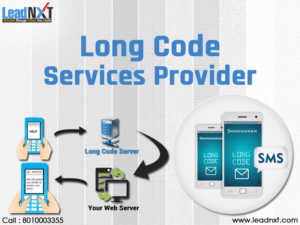
Best Long Code Services Provider
What is Long Code? The long code is a virtual number used for the generating…
LeadNXT Toll Free Number Gives Your Business Credibility & Brand Recognition
LeadNXT, the leading Cloud Telephony Service provider offers a powerful and cost-effective way to reach…
LeadNXT Outsource Your Business on Cloud
LeadNXT is the leading CloudTelephonyService provider, which delivers automated cloud based telephone system to business.…